
Andrology Treatment in Pune focuses on the diagnosis and management of health conditions affecting the male reproductive system, sexual health, fertility, hormones, and related urinary or genital concerns. Men may experience problems such as erectile dysfunction, premature ejaculation, male infertility, low testosterone, varicocele, hydrocele, sperm-related abnormalities, and other reproductive health conditions. Some of these problems may develop gradually and may not always produce obvious symptoms in the early stages. Understanding the possible causes and available treatment options can help men seek appropriate medical evaluation when symptoms continue or affect daily life.
Andrology Treatment in Pune may involve a detailed assessment of symptoms, medical history, lifestyle factors, medications, hormonal status, reproductive health, and other relevant conditions. Depending on the problem, evaluation may include physical examination, blood tests, hormone testing, semen analysis, ultrasound, or other diagnostic investigations. Treatment is selected according to the underlying cause rather than based only on the symptoms. Some conditions may respond to medicines or lifestyle changes, while others may require procedures or surgery.
Andrology Treatment in Pune is provided by Dr. Kalpesh Saswade at Vandana Uro Care Pune, located at Goodwill Square, Dhanori. Dr. Kalpesh Saswade is a qualified urologist with MBBS and DNB (Urology) degrees and has more than 15 years of overall clinical experience, including over 5 years of specialized experience in urology. His areas of work include urology, andrology, and renal transplant surgery. The clinic focuses on urological care with modern medical technology, diagnosis, treatment planning, and patient care.
What Is Andrology and Why Is It Important?
Andrology is a medical field focused on male reproductive health and conditions affecting male sexual and reproductive function.
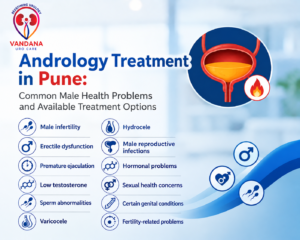
Andrology may involve the evaluation and treatment of problems related to:
- Male infertility
- Erectile dysfunction
- Premature ejaculation
- Low testosterone
- Sperm abnormalities
- Varicocele
- Hydrocele
- Male reproductive infections
- Hormonal problems
- Sexual health concerns
- Certain genital conditions
- Fertility-related problems
Andrological problems can have multiple causes. Hormonal changes, medical conditions, medications, lifestyle factors, psychological factors, infections, genetic conditions, and structural abnormalities may contribute to male reproductive health concerns.
A proper evaluation can help identify the underlying cause and determine an appropriate treatment approach.
What Common Male Health Problems Require Andrology Treatment?
Men can experience different reproductive and sexual health problems at different stages of life.
Common conditions evaluated in andrology include:
- Erectile dysfunction
- Premature ejaculation
- Male infertility
- Low sperm count
- Poor sperm motility
- Abnormal sperm morphology
- Varicocele
- Hydrocele
- Low testosterone
- Hormonal imbalance
- Sexual dysfunction
- Reproductive tract infections
- Ejaculatory disorders
- Testicular problems
The symptoms and treatment requirements can vary significantly between individuals.
For this reason, self-diagnosis or using medication without appropriate medical evaluation may not identify the actual cause of the problem.
What Is Male Infertility?
Male infertility refers to difficulty achieving pregnancy because of factors affecting the male reproductive system.
Male fertility can be influenced by:
- Low sperm count
- Reduced sperm motility
- Abnormal sperm morphology
- Hormonal problems
- Varicocele
- Infections
- Genetic factors
- Previous testicular injury
- Certain medications
- Lifestyle factors
- Medical conditions
- Problems with sperm production or delivery
A couple may undergo fertility evaluation when pregnancy does not occur despite regular unprotected intercourse for an appropriate period.
Male fertility evaluation is important because fertility problems can involve male factors, female factors, or a combination of both.
What Is Erectile Dysfunction?
Erectile dysfunction is difficulty achieving or maintaining an erection sufficient for satisfactory sexual activity.
Occasional difficulty may occur because of stress, tiredness, alcohol, or temporary factors. However, persistent or recurrent erectile difficulties may require medical evaluation.
Possible contributing factors include:
- Diabetes
- High blood pressure
- Cardiovascular disease
- Hormonal problems
- Low testosterone
- Obesity
- Smoking
- Certain medications
- Nerve-related conditions
- Psychological factors
- Stress and anxiety
- Previous pelvic or prostate surgery
Because erectile dysfunction can sometimes be associated with other health conditions, a proper assessment may be useful rather than treating the symptom alone.
What Is Premature Ejaculation?
Premature ejaculation is a common male sexual health concern involving ejaculation that occurs earlier than desired, often accompanied by difficulty controlling ejaculation and personal or relationship distress.
Possible contributing factors can include:
- Anxiety
- Relationship stress
- Psychological factors
- Hormonal factors
- Prostate-related conditions
- Certain biological factors
- Previous sexual experiences
Treatment depends on the underlying cause and may involve behavioral approaches, counseling, medication, or a combination of methods.
Men experiencing persistent symptoms should discuss the problem with a qualified medical professional.
What Is Male Infertility Treatment?
Male infertility treatment depends on the cause identified during evaluation.
The treatment plan may involve:
- Lifestyle modification
- Treatment of infections
- Hormonal treatment when appropriate
- Medicines
- Management of underlying medical conditions
- Varicocele treatment
- Surgical correction of certain conditions
- Fertility procedures when required
Before selecting treatment, the doctor may evaluate semen parameters, hormonal levels, medical history, physical findings, and other relevant factors.
The aim is to identify potentially correctable causes and select treatment according to the individual’s reproductive health.
What Is a Semen Analysis and Why Is It Done?
Semen analysis is one of the commonly used investigations in the evaluation of male fertility.
It can provide information about:
- Semen volume
- Sperm concentration
- Sperm count
- Sperm motility
- Sperm morphology
- Other semen characteristics
The results can help doctors understand whether abnormalities in sperm production or quality may be contributing to fertility problems.
A single semen analysis may not always provide the complete picture because sperm parameters can vary over time. Additional testing may sometimes be recommended based on the initial findings.
What Is Low Sperm Count?
Low sperm count, also called oligospermia, refers to a lower-than-expected concentration of sperm in semen.
It may be associated with different factors, including:
- Hormonal problems
- Varicocele
- Infections
- Genetic conditions
- Testicular problems
- Certain medications
- Excessive heat exposure
- Smoking
- Alcohol use
- Obesity
- Certain medical conditions
Treatment depends on the underlying cause.
In some cases, lifestyle changes may be recommended. Other situations may require medication, hormonal evaluation, surgery, or fertility-related treatment.
What Is Varicocele?
Varicocele is an enlargement of veins within the scrotum. It is relatively common and may occur without symptoms.
Some men with varicocele may experience:
- Dull scrotal discomfort
- Heaviness
- Visible or enlarged veins
- Testicular size differences
- Fertility problems
Varicocele can sometimes affect sperm production or testicular function.
Treatment is not necessarily required for every varicocele. Management depends on symptoms, fertility status, testicular findings, and other clinical factors.
What Is Hydrocele?
A hydrocele is a collection of fluid around the testicle that can cause swelling of the scrotum.
A hydrocele may be:
- Small or large
- Present on one side or both sides
- Associated with discomfort or heaviness
- Discovered during a physical examination or imaging
Some hydroceles may be monitored when they are small and not causing problems. Persistent, large, symptomatic, or complicated hydroceles may require further evaluation and, in selected cases, surgical treatment.
What Is Low Testosterone?
Testosterone is an important male hormone involved in sexual function, muscle mass, bone health, red blood cell production, and other physiological processes.
Low testosterone may be associated with:
- Reduced sexual desire
- Erectile difficulties
- Fatigue
- Reduced muscle mass
- Mood changes
- Reduced energy
- Changes in body composition
- Fertility problems in some cases
However, these symptoms can also occur because of other medical conditions.
Diagnosis generally requires appropriate clinical evaluation and hormone testing rather than relying only on symptoms.
Treatment depends on the cause and the individual’s health, fertility goals, and hormone levels.
What Causes Male Sexual Health Problems?
Male sexual health problems can have physical, hormonal, psychological, and lifestyle-related causes.
Possible factors include:
- Diabetes
- Obesity
- High blood pressure
- Cardiovascular disease
- Hormonal imbalance
- Low testosterone
- Stress
- Anxiety
- Depression
- Relationship difficulties
- Smoking
- Alcohol use
- Certain medications
- Nerve disorders
- Previous surgery
- Pelvic injury
Because multiple factors may exist together, a detailed medical assessment can be useful when symptoms persist.
What Symptoms Should Men Not Ignore?
Certain symptoms may indicate the need for medical evaluation.
Men should consider seeking medical attention for:
- Persistent erectile difficulties
- Problems with ejaculation
- Difficulty conceiving
- Testicular swelling
- Testicular pain
- Scrotal heaviness
- A testicular lump
- Reduced sexual desire
- Unexplained changes in sexual function
- Blood in semen
- Pain during ejaculation
- Abnormal semen analysis
- Symptoms suggesting hormonal problems
Sudden or severe testicular pain should be treated as an urgent medical concern because some causes require prompt assessment.
How Is Andrology Treatment Diagnosed?
Diagnosis begins with a detailed medical history and discussion of symptoms.
The doctor may ask about:
- Sexual symptoms
- Fertility history
- Previous illnesses
- Medications
- Lifestyle
- Previous surgeries
- Family medical history
- Hormonal symptoms
- Testicular or genital symptoms
Depending on the concern, further investigations may include:
- Blood tests
- Hormone testing
- Semen analysis
- Urine tests
- Ultrasound
- Doppler studies
- Physical examination
- Other specialized investigations
The choice of tests depends on the symptoms and suspected cause.
What Tests Are Commonly Used in Andrology?
Different male health conditions require different investigations.
Common tests may include:
- Semen analysis
- Testosterone testing
- Other hormone tests
- Blood sugar testing
- Lipid profile
- Urine testing
- Scrotal ultrasound
- Doppler ultrasound
- Genetic testing in selected infertility cases
- Additional fertility investigations
Not every patient requires every test.
The doctor determines which investigations are appropriate based on the medical history, examination, symptoms, and treatment goals.
Can Lifestyle Affect Male Reproductive Health?
Yes. Lifestyle can influence several aspects of male reproductive and sexual health.
Factors that may be relevant include:
- Body weight
- Physical activity
- Smoking
- Alcohol consumption
- Sleep
- Stress
- Diet
- Heat exposure
- Substance use
- Management of chronic medical conditions
Healthy lifestyle habits do not guarantee normal fertility or sexual function, but they can support general health and may be relevant to the management of certain conditions.
Can Diabetes Affect Male Sexual Health?
Diabetes can affect blood vessels, nerves, and hormonal function. These changes may contribute to erectile dysfunction and other sexual health problems in some men.
Poorly controlled blood sugar over time can affect multiple body systems.
Men with diabetes who experience changes in erectile function, sexual desire, or fertility may benefit from discussing these symptoms with a doctor.
Managing the underlying medical condition is an important part of overall health care.
Can Stress Affect Male Sexual Function?
Stress and anxiety can affect sexual function in some men.
Psychological stress may contribute to:
- Erectile difficulties
- Reduced sexual desire
- Premature ejaculation
- Performance anxiety
- Relationship-related sexual difficulties
Physical and psychological causes can also occur together.
A medical evaluation can help determine whether there is an underlying physical condition and whether additional psychological or behavioral support may be useful.
What Treatment Options Are Available for Andrology Problems?
Treatment depends entirely on the condition and its underlying cause.
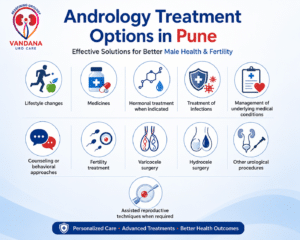
Possible treatment approaches include:
- Lifestyle changes
- Medicines
- Hormonal treatment when indicated
- Treatment of infections
- Management of underlying medical conditions
- Counseling or behavioral approaches
- Fertility treatment
- Varicocele surgery
- Hydrocele surgery
- Other urological procedures
- Assisted reproductive techniques when required
Treatment should be selected after appropriate evaluation rather than based on symptoms alone.
Is Surgery Required for Every Male Health Problem?
No. Surgery is not required for every andrological condition.
Many conditions can be managed with:
- Lifestyle changes
- Medicines
- Hormonal management
- Behavioral approaches
- Treatment of underlying conditions
- Observation and follow-up
Surgery may be considered when a structural problem, persistent condition, or other specific indication is present.
The decision depends on the individual diagnosis and expected benefits and risks.
When Is Andrology Surgery Considered?
Surgery may be considered for selected structural or anatomical problems.
Examples can include:
- Certain varicoceles
- Hydrocele
- Selected fertility-related conditions
- Structural abnormalities
- Certain testicular or genital conditions
The need for surgery is determined after evaluation.
The doctor may consider symptoms, fertility status, test results, physical findings, previous treatment, and overall health before recommending a procedure.
What Is the Role of a Urologist in Andrology Treatment?
Urologists diagnose and manage conditions affecting the urinary system and male reproductive system.
A urologist with experience in andrology may evaluate:
- Male infertility
- Erectile dysfunction
- Ejaculatory problems
- Testicular conditions
- Scrotal swelling
- Varicocele
- Hydrocele
- Hormonal or reproductive concerns
- Male sexual health conditions
For men experiencing reproductive or sexual health symptoms, a urological evaluation can help determine whether the issue is hormonal, structural, medical, psychological, or related to another condition.
About Dr. Kalpesh Saswade
Dr. Kalpesh Saswade is a qualified urologist with MBBS and DNB (Urology) degrees. According to the clinic information, he has more than 15 years of overall clinical experience and over 5 years of specialized experience in urology.
His areas of specialization include:
- Urology
- Andrology
- Renal transplant surgery
The clinic information also highlights his experience in advanced urological procedures and patient care.
His professional profile states that he is associated with the Maharashtra Medical Council and focuses on accurate diagnosis, medical guidance, and treatment using appropriate medical approaches.
What Is Vandana Uro Care Pune?
Vandana Uro Care Pune is a dedicated urology clinic located at Goodwill Square, Dhanori, Pune.
The clinic information highlights a focus on:
- Advanced medical technology
- Clean and safe environment
- Quick and accurate diagnosis
- Treatment planning
- Urological care
The clinic provides care for different urological and male reproductive health concerns.
Patients from Dhanori, Vishrantwadi, Lohegaon, Yerwada, and nearby areas can access urological care through the clinic.
What Experience Does Dr. Kalpesh Saswade Have?
The clinic profile highlights more than 15 years of overall clinical experience and over 5 years of specialized experience in urology.
The profile also highlights:
- 1,500+ kidney stone surgeries
- 200+ laparoscopy and cancer surgeries
- 15,000+ patients treated
- 500+ RIRS procedures
These figures represent the experience information displayed in the clinic’s profile and provide an overview of the procedures and patient care associated with his professional practice.
Why Is Experience Important in Andrology Treatment?
Male reproductive and sexual health conditions can have multiple causes. Experience in evaluating urological and reproductive conditions can help a doctor consider different possible causes and select appropriate investigations.
For example, erectile dysfunction may be associated with diabetes, vascular problems, medications, hormonal issues, psychological factors, or other conditions.
Similarly, infertility can result from sperm abnormalities, hormonal disorders, varicocele, infections, genetic factors, or other reproductive problems.
A detailed assessment is therefore important before selecting treatment.
What Should Men Ask Before Starting Andrology Treatment?
Before starting treatment, men may ask:
- What could be causing my symptoms?
- Which tests are required?
- Do I need hormone testing?
- Should I undergo a semen analysis?
- Could any medication be contributing to the problem?
- Are there lifestyle factors that may affect my condition?
- Do I need treatment immediately?
- Are medicines appropriate?
- Is surgery required?
- How could treatment affect fertility?
- Are there alternative treatment options?
- How long might treatment take?
- What follow-up will be required?
Clear communication can help patients understand their diagnosis and treatment options.
When Should You Consider Andrology Treatment in Pune?
You should consider medical evaluation when male reproductive or sexual health symptoms are persistent, recurrent, or affecting fertility or quality of life.
Evaluation may be appropriate when you experience:
- Difficulty conceiving
- Persistent erectile problems
- Ejaculatory difficulties
- Reduced sexual desire
- Testicular swelling
- Testicular pain
- Scrotal heaviness
- A testicular lump
- Abnormal semen analysis
- Suspected hormonal problems
- Recurrent reproductive infections
Men should not feel embarrassed about discussing sexual or reproductive symptoms. These are medical concerns that can have identifiable and treatable causes.
FAQs on Andrology Treatment in Pune
1. What is Andrology Treatment in Pune?
Andrology Treatment in Pune involves the diagnosis and management of male reproductive, sexual, fertility, hormonal, and related urological health conditions.
2. What conditions are treated in andrology?
Andrology may involve conditions such as male infertility, erectile dysfunction, premature ejaculation, low testosterone, varicocele, hydrocele, sperm abnormalities, and other male reproductive health problems.
3. What is male infertility?
Male infertility refers to difficulty achieving pregnancy because of factors affecting the male reproductive system. Causes may include sperm abnormalities, hormonal problems, varicocele, infections, genetic factors, or other conditions.
4. What tests are used for male infertility?
Evaluation may include semen analysis, hormone testing, physical examination, ultrasound, blood tests, and other investigations depending on the suspected cause.
5. What is erectile dysfunction?
Erectile dysfunction is difficulty achieving or maintaining an erection sufficient for satisfactory sexual activity. It can have physical, hormonal, medication-related, psychological, or lifestyle-related causes.
6. Can erectile dysfunction be treated?
Yes, treatment options are available for many causes of erectile dysfunction. The appropriate treatment depends on the underlying condition and may include lifestyle changes, medicines, treatment of medical conditions, or other approaches.
7. What is premature ejaculation?
Premature ejaculation is a male sexual health condition involving ejaculation that occurs earlier than desired, often with reduced control and personal or relationship distress.
8. What is varicocele?
Varicocele is enlargement of veins within the scrotum. It may occur without symptoms but can sometimes be associated with discomfort, testicular changes, or fertility problems.
9. What is hydrocele?
Hydrocele is a collection of fluid around the testicle that can cause swelling of the scrotum. Treatment depends on its size, symptoms, cause, and clinical findings.
10. Can low testosterone affect male health?
Low testosterone may be associated with reduced sexual desire, erectile difficulties, fatigue, reduced muscle mass, and other symptoms. Diagnosis requires appropriate clinical assessment and hormone testing.
11. Can stress affect sexual health?
Stress and anxiety can contribute to erectile difficulties, premature ejaculation, reduced sexual desire, and other sexual health concerns. Physical causes should also be considered when symptoms persist.
12. Is surgery required for every andrology problem?
No. Many male reproductive and sexual health conditions can be managed without surgery. Surgical treatment is considered only when there is an appropriate indication.
13. What is semen analysis?
Semen analysis is a laboratory test that evaluates semen and sperm characteristics such as sperm concentration, count, motility, and morphology.
14. Can lifestyle affect male fertility?
Yes. Factors such as smoking, alcohol use, obesity, physical inactivity, poor sleep, stress, certain medications, and other lifestyle factors may influence reproductive health.
15. Who is Dr. Kalpesh Saswade?
Dr. Kalpesh Saswade is a urologist with MBBS and DNB (Urology) qualifications. His clinic profile states that he has more than 15 years of overall clinical experience and over 5 years of specialized experience in urology.
16. Where is Vandana Uro Care Pune located?
Vandana Uro Care Pune is located at Goodwill Square, Dhanori, Pune.
17. What areas does Dr. Kalpesh Saswade specialize in?
His profile highlights Urology, Andrology, and Renal Transplant Surgery as areas of specialization.
18. What experience is highlighted in Dr. Kalpesh Saswade’s profile?
The profile highlights 1,500+ kidney stone surgeries, 200+ laparoscopy and cancer surgeries, 15,000+ patients treated, and 500+ RIRS procedures.
Conclusion – Andrology Treatment in Pune
Andrology Treatment in Pune covers a broad range of male reproductive, sexual, fertility, and hormonal health concerns. Problems such as erectile dysfunction, premature ejaculation, male infertility, low sperm count, varicocele, hydrocele, and low testosterone can have different underlying causes and may require different approaches to diagnosis and treatment.
Proper evaluation is an important part of male health care. Depending on the symptoms, doctors may recommend physical examination, semen analysis, hormone testing, blood tests, ultrasound, or other investigations. Treatment may include lifestyle changes, medicines, management of underlying conditions, behavioral approaches, fertility treatment, or surgery when clinically indicated.
At Vandana Uro Care Pune, Dr. Kalpesh Saswade provides urological and andrological care in Dhanori, Pune. He has MBBS and DNB (Urology) qualifications, more than 15 years of overall clinical experience, and over 5 years of specialized urology experience. His profile highlights experience in kidney stone surgery, laparoscopy and cancer surgery, RIRS, and care of urological and male reproductive conditions. Men experiencing persistent fertility, sexual, hormonal, or reproductive health concerns can consider appropriate medical evaluation to understand the underlying cause and available treatment options.