Erectile dysfunction can affect a man’s confidence, relationships, and overall quality of life. Erectile dysfunction treatment in Pune focuses on identifying the underlying cause of difficulty getting or maintaining an erection and choosing a suitable treatment plan. At Vandana Uro Care, Dhanori, Pune, men seeking information about erectile dysfunction and male reproductive health can learn about the importance of timely medical evaluation. Dr. Kalpesh Saswade is associated with Vandana Uro Care, Pune, and men experiencing persistent sexual health concerns can explore appropriate urological consultation.
Erectile dysfunction is a common health concern, but many men hesitate to discuss it because of embarrassment or fear of judgment. In reality, erection problems may be linked to diabetes, high blood pressure, stress, hormonal changes, certain medicines, or other medical conditions. Understanding these causes is the first step towards better health.
This article explains the symptoms, causes, diagnosis, and treatment approaches for erectile dysfunction. It also discusses male infertility treatment in Pune, the connection between erection problems and fertility, and how to decide when to consult a urologist.
What Is Erectile Dysfunction?
Erectile dysfunction, commonly called ED, is the repeated difficulty in getting or maintaining an erection firm enough for satisfactory sexual activity. Occasional erection difficulties can happen because of tiredness, anxiety, stress, or alcohol consumption. However, when the problem continues or happens frequently, medical evaluation may be helpful.
An erection involves the brain, nerves, blood vessels, hormones, and muscles working together. Sexual stimulation sends signals that increase blood flow to the penis. Problems affecting any part of this process can contribute to erectile dysfunction.
Men looking for erectile dysfunction treatment in Pune should understand that ED is not simply a problem of ageing or confidence. It can sometimes be an early sign of an underlying health issue that needs attention.
Common Symptoms of Erectile Dysfunction
The symptoms may differ from one person to another. Common signs include:
- Difficulty getting an erection during sexual activity.
- Trouble maintaining an erection long enough for satisfactory intercourse.
- Erections that are less firm than before.
- Reduced confidence because of repeated erection difficulties.
- Anxiety about sexual performance.
- Reduced interest in sexual activity, which may occur alongside other health concerns.
These symptoms do not always indicate a serious medical condition. Nevertheless, repeated difficulties should not be ignored, especially when they affect relationships or daily well-being.
What Are the Causes of Erectile Dysfunction?
Erectile dysfunction can develop due to physical, psychological, or lifestyle-related factors. Sometimes, more than one factor contributes to the problem.
Understanding the cause helps a doctor recommend treatment that addresses the underlying issue instead of focusing only on the symptom.
1. Diabetes and High Blood Sugar
Diabetes can damage blood vessels and nerves over time. This may affect the signals and blood flow needed for an erection. Men with poorly controlled blood sugar may have a higher risk of developing erection problems.
Managing diabetes through medical care, healthy eating, physical activity, and prescribed treatment can support overall sexual health. Men with diabetes who experience persistent erection difficulties should discuss them with their doctor.
2. High Blood Pressure and Poor Blood Circulation
An erection depends on sufficient blood flow to the penis. High blood pressure, high cholesterol, and other cardiovascular conditions can affect blood vessels and make erections more difficult.
Erectile dysfunction may sometimes appear before other noticeable symptoms of cardiovascular disease. A medical assessment can help identify whether blood pressure, cholesterol, or other circulation-related concerns require attention.
3. Stress, Anxiety, and Emotional Concerns
Stress at work, relationship difficulties, anxiety, depression, and fear of sexual failure can affect sexual performance. After one unsuccessful experience, some men become worried about it happening again. This anxiety can make subsequent difficulties more likely.
Psychological factors are real health concerns and do not mean that symptoms are imaginary. Counselling, stress management, and support from a qualified mental health professional may help when emotional factors contribute to ED.
4. Hormonal Changes
Testosterone plays a role in male sexual desire and reproductive health. Low testosterone may contribute to reduced libido and can sometimes be associated with erection problems. Thyroid disorders and other hormonal conditions may also affect sexual function.
However, not every man with erectile dysfunction has low testosterone. Hormone testing should be recommended when the symptoms and medical history suggest that it may be useful.
5. Lifestyle Habits and Certain Medicines
Smoking can damage blood vessels, while excessive alcohol consumption may interfere with sexual function. Limited physical activity, poor sleep, and excess body weight may also contribute to conditions associated with ED.
Some prescription medicines can affect erections or sexual desire. Men should never stop prescribed medication on their own. A doctor can review the medicines being taken and determine whether a safe adjustment or alternative is appropriate.
Why Is Early Diagnosis Important in Erectile Dysfunction?
Early diagnosis helps identify the factors responsible for erection problems and allows treatment to begin before the issue has a greater effect on daily life.
Men searching for erectile dysfunction treatment in Pune should consider an assessment when symptoms persist, recur frequently, or begin suddenly without an obvious explanation.
There are several reasons why early evaluation matters:
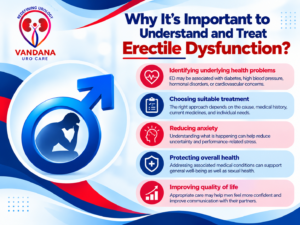
- Identifying underlying health problems: ED may be associated with diabetes, high blood pressure, hormonal disorders, or cardiovascular concerns.
- Choosing suitable treatment: The right approach depends on the cause, medical history, current medicines, and individual needs.
- Reducing anxiety: Understanding what is happening can help reduce uncertainty and performance-related stress.
- Protecting overall health: Addressing associated medical conditions can support general well-being as well as sexual health.
- Improving quality of life: Appropriate care may help men feel more confident and improve communication with their partners.
Dr. Kalpesh Saswade is associated with Vandana Uro Care in Pune. Men experiencing recurring erection difficulties can consider a urological consultation to discuss their symptoms and understand which investigations or treatments may be suitable.
Sudden erectile difficulties accompanied by chest pain, breathlessness, or other symptoms of a possible medical emergency require urgent medical attention. New and persistent ED also deserves assessment rather than self-treatment.
Treatment Approaches for Erectile Dysfunction
Treatment depends on the underlying cause, symptom severity, overall health, and personal preferences. There is no single treatment that is appropriate for every man. A consultation for erectile dysfunction treatment in Pune may involve a discussion of medical history, lifestyle, medicines, and available treatment options.
1. Lifestyle Changes
Healthy daily habits can improve general health and may help reduce erection difficulties, particularly when cardiovascular or metabolic risk factors are involved.
Helpful changes include:
- Engaging in regular physical activity suited to your health and fitness level.
- Maintaining a healthy weight.
- Stopping smoking.
- Limiting alcohol consumption.
- Eating a balanced diet with vegetables, fruits, whole grains, and suitable protein sources.
- Getting adequate sleep.
- Managing stress through relaxation, exercise, or counselling.
Lifestyle changes may not resolve every case of ED, but they can form an important part of an overall treatment plan.
2. Oral Medicines
Doctors may prescribe medicines that improve blood flow to the penis. These medicines are commonly used for erectile dysfunction, but they do not automatically produce an erection without sexual stimulation.
The choice of medicine depends on medical history and other medicines being taken. Some ED medicines can interact dangerously with nitrate medicines used for chest pain. Therefore, men should not purchase or use them without appropriate medical advice.
A doctor can explain possible side effects, precautions, and the correct way to use a prescribed medicine.
3. Psychological Counselling
When stress, anxiety, depression, or relationship concerns contribute to ED, counselling may help. Cognitive behavioural therapy and other appropriate psychological approaches can help some men manage anxiety and develop healthier ways to respond to sexual difficulties.
Counselling may also be useful alongside medical treatment when both physical and psychological factors are involved. Open communication between partners can help reduce pressure and misunderstandings.
4. Hormonal Treatment When Appropriate
If testing confirms a hormonal problem, a doctor may recommend treatment based on the specific condition. Testosterone therapy is not suitable for every man with erectile dysfunction and should only be considered after proper assessment.
Important: Testosterone treatment can reduce sperm production and may worsen fertility. Men planning to have children should discuss their fertility goals before starting any hormone-related treatment.
5. Vacuum Erection Devices and Other Options
A vacuum erection device uses gentle suction to draw blood into the penis. A constriction ring may then help maintain the erection for sexual activity. These devices may be suitable for some men when medication is ineffective or unsuitable.
Other options, including injections or penile implants, may be considered in selected cases under specialist guidance. Their suitability depends on the cause of ED, previous treatment, risks, and the patient’s preferences.
Men looking for an erectile dysfunction doctor in Dhanori, Pune, should seek an assessment that explains the benefits, limitations, and safety considerations of each relevant option.
How Is Erectile Dysfunction Diagnosed?
Diagnosis usually begins with a detailed discussion of symptoms and medical history. The doctor may ask when the problem started, how often it occurs, whether morning erections are present, and whether sexual desire has changed.
The consultation may also cover diabetes, blood pressure, previous surgeries, smoking, alcohol use, stress, and current medicines.
Tests That May Be Recommended
Depending on the symptoms, the doctor may recommend:
- Blood sugar testing: To check for diabetes or poor blood sugar control.
- Cholesterol testing: To assess cardiovascular risk factors.
- Hormone testing: Such as testosterone testing when clinically indicated.
- Physical examination: To assess relevant physical or reproductive health concerns.
- Additional investigations: If the medical history or initial findings suggest a specific problem.
Not every patient needs every test. Investigations should be selected according to the clinical assessment rather than performed unnecessarily.
Male Infertility Treatment in Pune: Causes and Available Options
Male infertility is a common reproductive health concern and can result from several medical or lifestyle-related factors. Evaluation helps determine whether a treatable cause can be identified and which options may be appropriate.
People searching for male infertility treatment in Pune should understand that fertility treatment depends on the cause, the couple’s reproductive history, and the results of relevant investigations.
Common Causes of Male Infertility
Some possible causes include:
- Low sperm count: The semen contains fewer sperm than expected.
- Poor sperm movement: Sperm may have difficulty moving effectively towards the egg.
- Abnormal sperm shape: Changes in sperm structure may affect fertility.
- Varicocele: Enlarged veins around the testicles that may affect sperm production in some men.
- Hormonal conditions: Problems involving reproductive hormones can interfere with sperm production.
- Blockages: Obstructions in the reproductive tract may prevent sperm from entering the semen.
- Infections or previous injuries: Certain conditions can affect reproductive function.
- Lifestyle and environmental factors: Smoking, heavy alcohol use, some drugs, and heat or chemical exposures may affect sperm health.
In some cases, the cause remains unexplained even after testing. This does not mean that further guidance or reproductive options are unavailable.
How Is Male Infertility Evaluated?
A fertility assessment usually begins with the medical and reproductive history of the man and his partner. The doctor may ask about the duration of attempts to conceive, previous pregnancies, past illnesses, surgeries, medicines, and lifestyle habits.
A semen analysis is commonly one of the first tests. It measures factors such as sperm concentration, movement, and shape. Depending on the findings, the doctor may recommend hormone tests, a physical examination, genetic testing, or imaging.
Couples are generally advised to seek a fertility assessment if pregnancy has not occurred after 12 months of regular unprotected intercourse. Evaluation may be appropriate earlier when the female partner is aged 35 or older, or when either partner has a known risk factor.
Male Infertility Treatment Options
Treatment is based on the underlying problem and may include:
- Lifestyle improvements: Stopping smoking, limiting alcohol, maintaining a healthy weight, and reviewing medicines or exposures that may affect sperm health.
- Treatment of underlying conditions: Certain infections, hormonal disorders, or other medical problems may require specific treatment.
- Varicocele treatment: Selected men may benefit from a procedure when the varicocele and fertility findings support intervention.
- Treatment for reproductive tract obstruction: In suitable cases, a procedure may help restore the passage of sperm.
- Assisted reproductive techniques: Depending on sperm quality and the couple’s circumstances, options may include intrauterine insemination, in vitro fertilisation, or intracytoplasmic sperm injection.
- Specialist fertility support: If sperm cannot be found in the semen, additional evaluation may identify whether sperm retrieval or other reproductive options are possible.
Men looking for male infertility treatment in Dhanori, Pune, should avoid unverified fertility supplements or hormone treatments. Some products lack strong evidence, and testosterone can suppress sperm production.
When Should You Consult a Urologist in Pune?
A urologist evaluates conditions affecting the urinary tract and male reproductive system. Depending on their training and scope of practice, urologists may assess erectile dysfunction, fertility-related concerns, and other male sexual health problems.
Consider arranging a consultation if you experience:
- Repeated difficulty getting or maintaining an erection.
- A noticeable decline in sexual desire.
- Pain, swelling, or a lump around the testicles.
- Difficulty conceiving after regular unprotected intercourse.
- Abnormal semen analysis results.
- Sexual difficulties associated with diabetes, high blood pressure, or other medical conditions.
Men searching for a urologist in Pune should look for an appropriately qualified professional whose clinical scope matches their needs. It is also reasonable to ask about the proposed evaluation, treatment choices, risks, costs, and follow-up arrangements.
How to Choose an Erectile Dysfunction Doctor in Dhanori, Pune
Choosing a suitable doctor is an important step in addressing sensitive sexual health concerns. Patients should feel able to discuss their symptoms honestly and understand the reasons behind any recommended tests or treatment.
When considering an erectile dysfunction doctor in Dhanori, Pune, look for the following:
- Relevant qualifications: Check the doctor’s recognised medical qualifications and specialist registration.
- Appropriate clinical experience: Ask whether the doctor evaluates erectile dysfunction and related reproductive health concerns.
- Clear communication: A good consultation should explain possible causes and treatment options in understandable language.
- Individualised care: Treatment should account for medical conditions, current medicines, fertility plans, and personal preferences.
- Privacy and respectful discussion: Sexual health consultations should be conducted professionally and with appropriate confidentiality.
- Follow-up guidance: Understand when to return, how progress will be assessed, and what to do if symptoms persist.
Dr. Kalpesh Saswade is associated with Vandana Uro Care, Pune. Patients considering a consultation can contact the clinic directly to confirm available services, qualifications, appointment arrangements, and whether their specific concern falls within the doctor’s scope of practice.
Male Sexual Health: Habits That Support Long-Term Well-Being
Male sexual health includes more than erections. It involves physical health, reproductive function, emotional well-being, and the ability to seek medical help when needed.
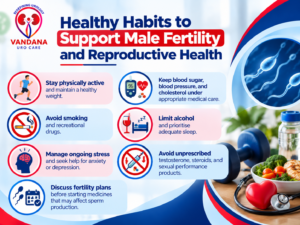
Healthy habits may support sexual and reproductive health:
- Stay physically active and maintain a healthy weight.
- Keep blood sugar, blood pressure, and cholesterol under appropriate medical care.
- Avoid smoking and recreational drugs.
- Limit alcohol and prioritise adequate sleep.
- Manage ongoing stress and seek help for anxiety or depression.
- Avoid unprescribed testosterone, steroids, and sexual performance products.
- Discuss fertility plans before starting medicines that may affect sperm production.
These habits cannot prevent every cause of erectile dysfunction or infertility. However, they can help address modifiable risk factors and support general health.
Frequently Asked Questions – Erectile dysfunction treatment in Pune
1. When should I seek erectile dysfunction treatment in Pune?
You should consider erectile dysfunction treatment in Pune if erection difficulties occur repeatedly, persist over time, or affect your confidence and relationships. A doctor can assess possible causes such as diabetes, circulation problems, medicines, hormonal changes, or anxiety and discuss suitable treatment options.
2. Who should I consult for erectile dysfunction treatment in Dhanori, Pune?
For erectile dysfunction treatment in Dhanori, Pune, consider consulting a suitably qualified doctor who evaluates male sexual health. The consultation may include a medical history, examination, and selected tests to identify the cause and determine whether medicines, lifestyle changes, counselling, or other treatments are appropriate.
3. How do I find an erectile dysfunction doctor in Dhanori, Pune?
When choosing an erectile dysfunction doctor in Dhanori, Pune, check the doctor’s recognised qualifications, relevant clinical scope, communication style, and approach to patient privacy. Ask about the evaluation process, treatment options, possible side effects, and follow-up before making a decision.
4. Can a urologist in Pune treat erectile dysfunction and male infertility?
A suitably qualified urologist in Pune may evaluate erectile dysfunction and male reproductive concerns, depending on their training and clinical scope. Treatment for male infertility treatment in Pune may involve semen analysis, hormonal assessment, treatment of an underlying condition, or referral for fertility procedures when appropriate.
5. What are the common causes of erectile dysfunction?
Men seeking erectile dysfunction treatment in Pune may have erection problems related to diabetes, high blood pressure, cardiovascular conditions, stress, anxiety, hormonal disorders, smoking, or certain medicines. A medical evaluation helps identify the factors most relevant to each individual.
6. Is male infertility treatment in Dhanori, Pune possible if the sperm count is low?
Male infertility treatment in Dhanori, Pune depends on the cause of the low sperm count and the results of further investigations. Some underlying conditions may be treatable, while other cases may require assisted reproductive techniques. A semen analysis and specialist assessment help guide the next steps.
7. Does erectile dysfunction always mean infertility?
No. Erectile dysfunction treatment in Pune addresses difficulties with erections, whereas male infertility concerns the ability to achieve pregnancy. Some men have erection problems but normal sperm production, while others have fertility problems despite normal sexual function. Both concerns should be assessed according to the symptoms and reproductive goals.
8. Can lifestyle changes help with erectile dysfunction treatment near Dhanori?
Lifestyle changes may support erectile dysfunction treatment near Dhanori by improving general health and addressing risk factors such as smoking, inactivity, excess weight, and poorly controlled diabetes. However, lifestyle changes alone may not resolve every case, so persistent symptoms should be discussed with a doctor.
9. When should couples consider male infertility treatment in Pune?
Couples may consider male infertility treatment in Pune after 12 months of regular unprotected intercourse without pregnancy. Earlier assessment may be appropriate when the female partner is 35 or older or when either partner has known reproductive risk factors. Both partners may need evaluation to identify relevant causes.
10. Can testosterone therapy improve male sexual health and fertility?
For some men with confirmed testosterone deficiency, medically supervised treatment may improve certain symptoms. However, testosterone therapy can reduce sperm production and is generally unsuitable for men actively trying to conceive. Anyone considering male infertility treatment in Pune should discuss fertility plans before starting hormone treatment.
11. What should I check before choosing a male sexual health specialist in Pune?
When choosing a male sexual health specialist in Pune, check recognised qualifications, relevant clinical experience, patient communication, privacy practices, and access to appropriate investigations. Men seeking erectile dysfunction treatment in Dhanori, Pune, should also ask whether the doctor can assess related medical conditions and explain available treatment options.
12. How can I arrange a consultation for erectile dysfunction treatment in Pune?
To explore erectile dysfunction treatment in Pune, contact Vandana Uro Care to confirm appointment availability, services, and the consultation process. Patients interested in seeing Dr. Kalpesh Saswade should verify the clinic’s current appointment details and discuss their symptoms, medical history, and treatment goals during the consultation.
Conclusion: Take the First Step Towards Better Male Sexual Health
Erectile dysfunction is a common medical concern that can have physical, emotional, and lifestyle-related causes. Early evaluation can help identify contributing conditions, clarify treatment options, and reduce uncertainty. Men should not feel embarrassed about seeking help when erection difficulties persist.
Erectile dysfunction treatment in Pune should be guided by an appropriate medical assessment rather than unverified remedies or medicines purchased without a prescription. Men who are also experiencing difficulty conceiving should discuss both sexual function and reproductive health so that their care reflects their individual needs.