RIRS Treatment in Pune
RIRS Treatment in Pune
Kidney stones are one of the most common urological problems affecting people of all ages. They can cause severe pain, burning while passing urine, blood in the urine, repeated urinary infections, and difficulty in daily activities. While small stones may pass naturally, larger or difficult-to-reach stones often require advanced treatment. Fortunately, modern technology now allows kidney stones to be removed without large cuts or open surgery.
If you are looking for advanced RIRS Treatment in Pune, Dr. Kalpesh Saswade at Vandana Urocare offers safe, effective, and minimally invasive treatment using the latest laser technology. With over 17 years of clinical experience, Dr. Kalpesh Saswade specializes in treating kidney stones using advanced procedures such as RIRS (Retrograde Intrarenal Surgery) and URSL (Ureteroscopy with Laser Lithotripsy).
At Vandana Urocare, we believe every patient deserves personalized care. Before recommending any treatment, Dr. Kalpesh Saswade performs a detailed evaluation to understand the size, location, and type of kidney stone. Based on these findings, he recommends the most suitable treatment to ensure maximum stone clearance with minimal discomfort.
Patients from Dhanori, Lohegaon, Viman Nagar, Vishrantwadi, Yerawada, Kharadi, Wagholi, Hadapsar, Tingre Nagar, Charholi, Kalyani Nagar, and nearby areas trust Dr. Kalpesh Saswade for expert RIRS Treatment in Pune because of his experience, advanced technology, and patient-first approach.
Whether you have kidney stones in the kidney or ureter, RIRS Treatment in Pune can help you return to a pain-free life with faster recovery and fewer complications.
What is RIRS (Retrograde Intrarenal Surgery)?
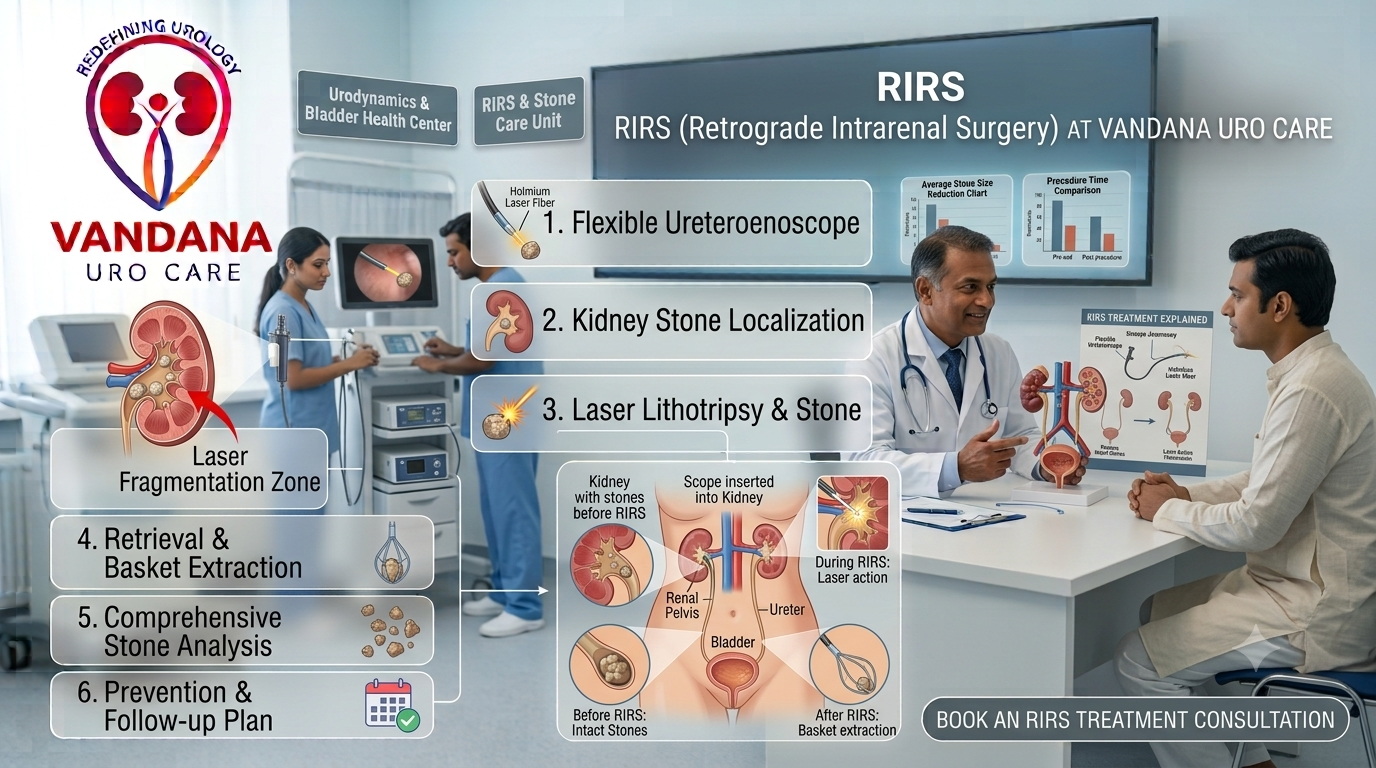
Retrograde Intrarenal Surgery (RIRS) is an advanced, minimally invasive procedure used to remove kidney stones without making any cuts on the body. It is one of the most effective treatments for stones located inside the kidney, especially those that are difficult to reach with other methods.
During RIRS Treatment in Pune, Dr. Kalpesh Saswade inserts a thin and flexible endoscope through the natural urinary passage. The instrument passes through the urethra, bladder, and ureter to reach the kidney. Once the stone is located, a high-precision laser breaks it into very small fragments, which either pass naturally through urine or are removed during the procedure.
Unlike traditional surgery, RIRS does not require any external incision, resulting in:
Less pain
Minimal bleeding
Faster recovery
Short hospital stay
Lower risk of complications
Quicker return to daily activities
Because of these benefits, RIRS Treatment in Pune has become one of the preferred treatment options for kidney stones.
What is URSL (Ureteroscopy)?
URSL (Ureteroscopy with Laser Lithotripsy) is another advanced endoscopic procedure used to treat stones located in the ureter, the tube that carries urine from the kidney to the bladder.
In URSL Treatment in Pune, a thin ureteroscope is passed through the natural urinary passage to reach the stone. Once located, laser energy is used to break the stone into tiny pieces that can either be removed or passed naturally through urine.
The procedure does not require open surgery and is considered one of the safest and most effective treatments for ureteric stones.
At Vandana Urocare, Dr. Kalpesh Saswade performs URSL Treatment in Pune using advanced laser technology, helping patients recover faster with minimal discomfort.
Difference Between RIRS and URSL
Many patients are confused about the difference between RIRS and URSL. Although both procedures are minimally invasive and use laser technology, they are used for different locations of kidney stones.
RIRS
Used for stones located inside the kidney.
Uses a flexible ureteroscope.
Suitable for difficult-to-reach kidney stones.
Provides excellent stone clearance with minimal discomfort.
URSL
Used for stones located in the ureter.
Uses a semi-rigid or flexible ureteroscope.
Highly effective for ureteric stones.
Helps relieve blockage and pain quickly.
After examining your reports, Dr. Kalpesh Saswade recommends whether RIRS Treatment in Pune or URSL Treatment in Pune is the most appropriate option for your condition.
Who Needs RIRS or URSL Treatment?
Not every kidney stone requires surgery. However, RIRS Treatment in Pune or URSL Treatment in Pune may be recommended if you have:
- Kidney stones that do not pass naturally
- Stones causing severe pain
- Stones larger than expected to pass on their own
- Recurrent urinary tract infections due to stones
- Blood in the urine
- Blockage of urine flow
- Stones causing kidney swelling
- Stones that have failed medical treatment
- Multiple kidney stones
- Stones located in difficult areas of the kidney
Early treatment helps prevent kidney damage and avoids serious complications.
Benefits of RIRS Treatment in Pune
One of the biggest advantages of RIRS Treatment in Pune is that it provides excellent stone removal without open surgery.
Patients benefit from:
- No large surgical incision
- Minimally invasive treatment
- Advanced laser technology
- Less pain after surgery
- Minimal bleeding
- Short hospital stay
- Faster recovery
- Quick return to work
- High stone clearance rate
- Lower risk of infection
- Reduced chance of complications
- Better cosmetic results
- Safe treatment for most patients
- Improved quality of life
- Long-term relief from kidney stone symptoms
At Vandana Urocare, Dr. Kalpesh Saswade performs Kidney Stone Laser Surgery in Pune using internationally accepted techniques to provide safe treatment and excellent outcomes.
Diagnosis Before RIRS or URSL Treatment
At Vandana Urocare, Dr. Kalpesh Saswade believes that accurate diagnosis is the first step toward successful kidney stone treatment. Every patient is carefully evaluated to determine the size, location, number, and type of kidney stones before recommending RIRS Treatment in Pune or URSL Treatment in Pune.
A detailed diagnosis also helps identify whether the stone is causing blockage, infection, or damage to the kidneys.
Medical History
Dr. Kalpesh Saswade carefully reviews your symptoms, previous history of kidney stones, medications, lifestyle habits, water intake, and family history. This helps identify possible causes and the most suitable treatment.
Physical Examination
A thorough physical examination is performed to assess your overall health and identify signs of kidney stone complications.
Urine Examination
Urine tests help detect:
- Blood in urine
- Urinary tract infection
- Crystal formation
- Kidney function abnormalities
Blood Tests
Blood investigations help evaluate:
Kidney function
Calcium levels
Uric acid levels
Infection markers
Overall health before surgery
Ultrasound
Ultrasound is commonly used to identify kidney stones, swelling of the kidney, and urinary blockage.
CT Scan (NCCT KUB)
A CT scan is considered one of the most accurate tests for kidney stones. It provides detailed information about:
Stone size
Stone location
Stone density
Number of stones
This helps Dr. Kalpesh Saswade decide whether RIRS Treatment in Pune, URSL Treatment in Pune, or another procedure is most suitable.
How is RIRS Treatment Performed?
Many patients search online for “How is RIRS surgery done?” Understanding the procedure helps reduce anxiety and builds confidence before treatment.
Step 1 – Preparation
Before surgery, patients undergo routine investigations and receive instructions about fasting and medications.
Step 2 – Anaesthesia
The procedure is usually performed under spinal or general anaesthesia so the patient remains comfortable throughout the treatment.
Step 3 – Flexible Scope Insertion
A thin flexible ureteroscope is gently passed through the natural urinary passage without making any external cuts.
Step 4 – Locating the Stone
The scope reaches the kidney, allowing the surgeon to clearly visualize the stone using a high-definition camera.
Step 5 – Laser Stone Removal
A powerful laser is used to break the kidney stone into tiny fragments.
Depending on the stone size, the fragments are either removed immediately or allowed to pass naturally through urine.
Step 6 – Stent Placement (If Required)
In some patients, a temporary DJ stent may be placed to help urine drain properly while the kidney heals.
The entire RIRS Treatment in Pune usually takes 30–90 minutes, depending on the number and size of the stones.
- FAq
Frequently Asked Questions
RIRS Treatment in Pune is a minimally invasive laser procedure that removes kidney stones without making any external cuts. During the procedure, Dr. Kalpesh Saswade passes a flexible scope through the natural urinary passage to reach the kidney and uses laser energy to break the stones into tiny fragments. This advanced treatment offers faster recovery, minimal pain, and excellent stone clearance.
The main difference is the location of the stone. RIRS Treatment in Pune is used for kidney stones located inside the kidney, while URSL Treatment in Pune is recommended for stones located in the ureter. Both procedures use advanced laser technology and are performed without open surgery.
Kidney Stone Laser Surgery in Pune, including RIRS and URSL, is performed under spinal or general anaesthesia, so patients do not feel pain during the procedure. Mild discomfort, burning during urination, or temporary blood in the urine may occur afterward but usually improve within a few days.
Most patients recover quickly after RIRS Treatment in Pune and can return to light daily activities within a few days. Complete healing and the passage of tiny stone fragments may take a few weeks. Dr. Kalpesh Saswade provides personalized recovery guidelines for the best results.
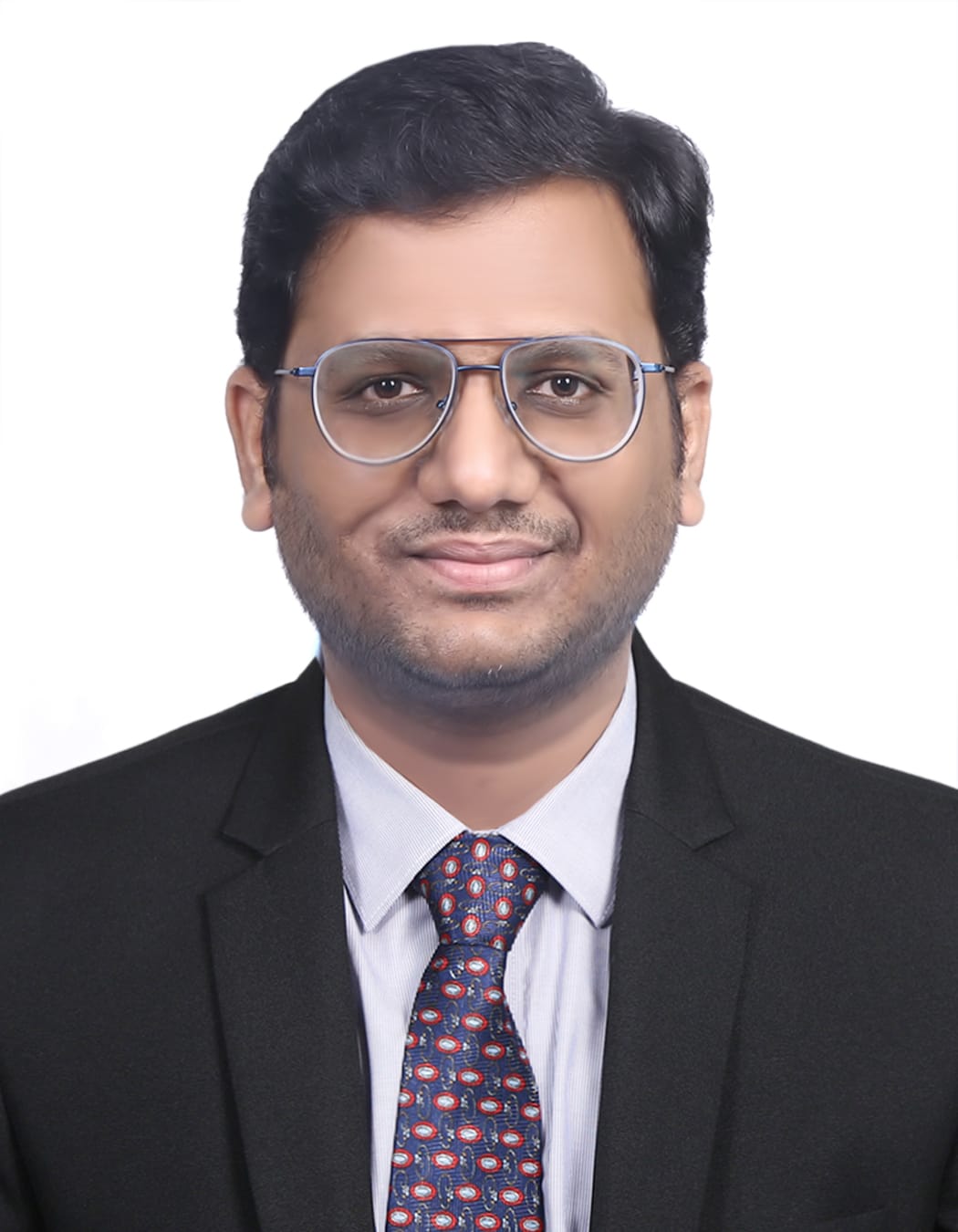
Dr. Kalpesh Saswade at Vandana Urocare is known for providing advanced RIRS Treatment in Pune, URSL Treatment in Pune, and Kidney Stone Laser Surgery in Pune. With over 17 years of clinical experience and modern laser technology, he offers personalized care for safe and effective kidney stone treatment.
Yes, kidney stones can recur if proper preventive measures are not followed. Drinking plenty of water, maintaining a healthy diet, reducing salt intake, and attending regular follow-up visits can significantly reduce the risk of future stone formation. Dr. Kalpesh Saswade also provides preventive guidance based on your stone type.